

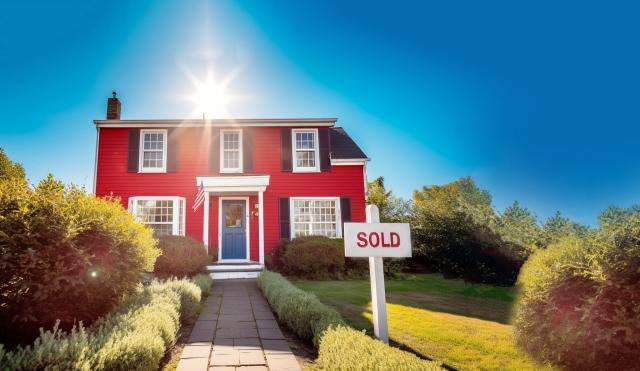
When Lisa received a job offer across the country with just 30 days to relocate, she faced a dilemma: her real estate agent estimated it would take 60-90 days to sell her home traditionally, and the 6% commission would cost her $18,000 she desperately needed for her move. "I felt trapped," she remembers. "I needed to sell quickly, but I couldn't afford to lose that much money to agent fees."
Lisa isn't alone. Thousands of homeowners discover they need to sell fast—whether due to job relocations, financial pressures, divorce, or other life transitions—but the traditional real estate process feels too slow and too expensive. The good news? You don't have to choose between speed and saving money. Several proven strategies allow you to sell your house quickly while avoiding hefty agent commissions.
This guide explores three practical approaches that let you keep more of your home's equity while still achieving a fast sale: selling privately as a For Sale By Owner (FSBO), working with reputable cash home buyers, and exploring creative financing options like seller financing or lease-to-own arrangements. Each method offers different advantages depending on your timeline, property condition, and personal priorities.
Why Homeowners Want to Avoid Agent Fees
Real estate agent commissions represent one of the largest expenses in home sales, typically consuming 5-6% of your sale price. On a $300,000 home, that's $18,000. On a $400,000 property, it's $24,000. For many sellers—especially those facing financial pressure or needing funds for their next chapter—these substantial fees significantly impact their net proceeds and future plans.
Beyond commissions, traditional agent-assisted sales often involve additional costs:
Professional staging services: $2,000-$5,000
Pre-listing repairs and updates: $5,000-$20,000
Professional photography: $200-$500
Home inspections and potential repair negotiations
Months of carrying costs (mortgage, taxes, insurance, utilities)
MLS listing fees and marketing expenses
According to data from real estate brokers tracked on platforms like Wikipedia, the traditional commission structure has remained relatively unchanged for decades despite technological advances that have dramatically reduced many transaction costs. This has led more homeowners to explore alternatives that align better with their financial goals and timelines.
With mortgage rates fluctuating and housing costs rising, keeping an extra $15,000-$25,000 from your home sale can make the difference between comfortably affording your next home or stretching your budget uncomfortably thin. The key is understanding which no-commission option best serves your specific situation.
1. Sell Your House Privately (For Sale by Owner)
For Sale By Owner (FSBO) sales allow motivated homeowners to take control of their sale process, handle all marketing and negotiations directly, and avoid paying seller's agent commissions entirely. While FSBO requires more hands-on involvement than traditional listings, many sellers find the effort worthwhile for the substantial savings.
How FSBO Works
Price Your Home Using Online Comparables: Research recently sold homes similar to yours in your neighborhood using free tools like Zillow, Redfin, or Realtor.com. Look at properties with comparable square footage, bedrooms, bathrooms, and condition. Price competitively—overpricing causes your listing to sit while buyers pass it by; underpricing costs you money unnecessarily.
Market Your Property on Popular Platforms:
Zillow FSBO: Reaches millions of active home shoppers
Facebook Marketplace: Free local exposure with broad reach
Craigslist: Still popular for real estate in many markets
ForSaleByOwner.com: Dedicated FSBO marketplace
Yard Sign: Place a prominent "For Sale By Owner" sign with your phone number
Take Quality Photos: Buyer interest depends heavily on photo quality. Shoot during daytime with natural light, declutter and clean every room before photographing, capture wide-angle shots showing full spaces, and highlight your home's best features and any recent updates.
Negotiate Directly with Buyers: When interested buyers contact you, schedule showings at mutually convenient times, answer questions honestly about the property and neighborhood, and review offers carefully considering price, contingencies, and closing timeline. Be prepared to negotiate—most buyers expect some back-and-forth on price and terms.
Handle Contracts and Legal Paperwork: While you save on agent commissions, invest in professional help for contracts and closing. Hire a real estate attorney ($500-$1,500) to review purchase agreements and ensure legal compliance. Work with a title company to handle title search, insurance, and closing coordination. Ensure you complete all required disclosure forms specific to your state.
When FSBO Works Best
FSBO proves most successful when your property is in good condition and shows well, you're in a seller's market with strong buyer demand, you have time for showings and negotiations, and you're comfortable handling contracts with professional guidance. For those willing to invest the effort, FSBO can save $15,000-$30,000 compared to traditional sales.
If you're considering the FSBO route, learn more about how to sell your house privately without an agent with our comprehensive step-by-step guide covering pricing, marketing, legal requirements, and everything you need for successful private sales.
2. Sell to a Reputable Cash Home Buyer
For homeowners needing the fastest possible sale with the least hassle, working with reputable cash home buyers offers an elegant solution that completely bypasses agent commissions, lengthy marketing periods, and traditional sale complications.
How Cash Home Buying Works
Cash home buying companies purchase properties directly using their own funds rather than requiring mortgage financing. This eliminates the 30-45 day loan approval process, appraisal requirements, and financing contingencies that complicate and delay traditional sales.
The process is remarkably straightforward:
Step 1 - Contact and Property Assessment: Reach out to the cash buyer (phone, website, or email) and provide basic property information. The company schedules a brief property visit to assess condition—typically just 30-45 minutes.
Step 2 - Receive Cash Offer: Within 24-48 hours after the property visit, you receive a written cash offer with clear terms. Reputable buyers explain exactly how they calculated the offer and answer all your questions.
Step 3 - Review and Accept: Take time to review the offer, get other competitive offers if desired, and have an attorney review the contract. There's no pressure—legitimate buyers want informed, comfortable sellers.
Step 4 - Close on Your Timeline: Once you accept, you choose the closing date that works for your schedule. Most cash buyers can close in 7-14 days, though they'll accommodate longer timelines if you need 30-45 days for moving arrangements.
Benefits of Cash Sales
Close in as Little as 7 Days: No waiting for buyer mortgage approvals, appraisals, or lengthy underwriting. Cash transactions move from offer to closing in a fraction of traditional sale timelines.
Guaranteed Cash Offer: Cash buyers have funds ready—there's no risk of financing falling through at the last minute like happens with 20% of traditional sales. Once you accept an offer, closing is virtually certain.
Sell "As-Is" Condition: Cash buyers purchase properties in any condition, allowing you to sell a house as-is—no repairs, updates, or preparations required. That outdated kitchen, aging roof, or needed repairs? The buyer handles everything after closing. You avoid tens of thousands in renovation costs and weeks of contractor coordination.
Avoid Showings and Inspections: Just one property visit replaces the endless stream of weekend showings and open houses traditional sales require. No need to keep your home in pristine showing condition for months or evacuate repeatedly for buyer tours.
No Commissions or Fees: Zero agent commissions mean you keep thousands more of your proceeds. On a $300,000 sale, avoiding the typical 6% commission saves you $18,000 that stays in your pocket instead of going to agents.
Who Benefits Most from Cash Sales
Cash sales work especially well for homeowners needing to close within 30 days due to job relocations or financial deadlines, properties requiring substantial repairs sellers can't afford to make, inherited homes managed from a distance, sellers wanting privacy and minimal disruption, and anyone prioritizing certainty and convenience over potentially maximizing every dollar.
While cash offers typically range 70-85% of retail value, after accounting for repairs avoided, commissions saved, and carrying costs eliminated, the actual net difference often shrinks to just 5-10% compared to traditional sales—and sometimes cash offers net sellers MORE once all costs are calculated.
For fast, hassle-free sales without commissions, consider working with Maryland cash home buyers who purchase properties directly with guaranteed closings and zero fees to sellers.
3. Offer Seller Financing or Lease Option
Creative financing arrangements provide alternatives that can help you sell faster than traditional listings while potentially earning more long-term income than immediate cash sales.
Seller Financing: You Become the Bank
With seller financing, you act as the lender for the buyer's purchase. Instead of the buyer obtaining a traditional mortgage from a bank, they make monthly payments directly to you (including interest) until the agreed-upon price is fully paid or they refinance with a conventional lender.
How It Works: You and the buyer agree on a purchase price, down payment (typically 10-20%), interest rate, and repayment terms (often 3-5 years before balloon payment). The buyer makes monthly principal and interest payments to you. You hold the mortgage note and can foreclose if they default, though you retain the property title until fully paid.
Advantages:
Attracts more potential buyers (especially those who can't qualify for traditional mortgages)
Earn interest income over time, potentially increasing your total proceeds
Faster closing than traditional sales (no bank approval needed)
May command higher sale price since you're offering favorable terms
Monthly income stream if that serves your financial needs
Considerations:
You don't receive full proceeds immediately
Risk that buyer defaults (though you retain foreclosure rights)
Works best when you own the home outright or have substantial equity
Requires legal documentation prepared by real estate attorney
Lease Option: Rent-to-Own Arrangement
Lease option (or lease-to-own) arrangements allow buyers to rent your property with an option to purchase it at a predetermined price within a specific timeframe (typically 1-3 years).
How It Works: The buyer pays an upfront option fee (typically 3-5% of purchase price), rents the property at market rate or slightly above, and has the exclusive right (but not obligation) to purchase at the agreed price before the option expires. A portion of rent often credits toward the purchase price if they exercise the option.
Advantages:
Immediate rental income while property is essentially sold
Option fee is typically non-refundable, providing upfront cash
Attracts buyers building credit or saving for down payments
Property maintenance often becomes tenant's responsibility
Potential to command higher-than-market rent due to purchase option
Considerations:
Buyer may not exercise the option, requiring you to find another buyer
You remain the owner and landlord until option is exercised
Property value could appreciate beyond agreed price (you miss upside)
Works best with properties in good condition suitable for renting
When Creative Financing Makes Sense
These alternatives work best when you own your home outright or have substantial equity (difficult with existing mortgages), can wait for full proceeds over time rather than needing immediate cash, want to earn interest income or rental income during transition, and are comfortable with some risk and legal complexity.
Creative financing expands your buyer pool beyond those qualifying for traditional mortgages, potentially leading to faster sales and higher prices than conventional listings would achieve.

Tips to Sell Fast No Matter Which Method You Choose
Regardless of which no-commission approach you select, certain strategies accelerate sales and improve outcomes across all methods.
Price Your Home Realistically
Overpricing is the #1 reason homes sit on the market for months. Research comparable sales thoroughly and price competitively from day one. You can always negotiate up from a fair asking price, but overpriced homes develop "stale listing" reputations that turn buyers away even after price reductions.
Consider getting a professional appraisal ($300-500) for objective valuation if you're uncertain about pricing. The investment often pays for itself through faster sales at appropriate prices.
Use Professional-Quality Photos
Whether listing FSBO or marketing creatively, photo quality dramatically impacts buyer interest. Invest in professional photography ($200-400) or at minimum, take high-quality photos yourself during optimal lighting with thoroughly cleaned and staged rooms.
First impressions form within seconds of viewing listing photos. Poor images cause buyers to scroll past without a second glance, while professional photos generate showings and offers.
Be Responsive to Inquiries
Fast sales require fast communication. Return phone calls and messages within 1-2 hours whenever possible. Be flexible with showing times, accommodating buyer schedules even when inconvenient. Provide detailed, honest answers to questions about the property, neighborhood, and process.
Buyers often contact multiple properties simultaneously. If you respond faster and more helpfully than competing sellers, you gain significant advantage that translates to quicker sales.
Make Minor Repairs or Cleanups
Even if selling as-is to cash buyers, addressing obvious issues improves outcomes. Fix leaky faucets, replace burned-out lightbulbs, patch visible holes, and ensure everything that should work does work. Deep clean every surface—cleanliness suggests good maintenance and care.
First impressions matter enormously. Small investments in cleaning and minor repairs yield disproportionate returns through improved buyer perception and willingness to make strong offers.
Keep Paperwork Ready for Closing
Organize documents buyers and closing agents will need: recent property tax statements, utility bills, HOA documents (if applicable), appliance manuals and warranties, receipts for recent improvements or repairs, and survey or plat maps if available.
Having documentation ready accelerates closing once you accept an offer. Delays searching for paperwork slow the process and frustrate buyers who might reconsider their decision.
Whether you go the private route, choose a cash offer, or explore creative terms—your ideal solution depends on how fast you need to sell and how much effort you're willing to put in. Each approach offers distinct advantages for different situations and priorities.
Final Thoughts: Keeping More of Your Home's Equity
Avoiding agent fees doesn't mean sacrificing convenience or accepting unfavorable terms—it's about understanding your options and choosing the approach that best serves your circumstances. The three strategies explored here—FSBO, cash buyers, and creative financing—all allow you to keep significantly more of your home's equity compared to traditional agent-assisted sales.
For hands-on sellers with time and patience, FSBO offers maximum control and savings potential. You'll invest effort in marketing, showings, and negotiations, but you'll save $15,000-$30,000 in commission fees that stay in your pocket instead of going to agents.
For sellers needing speed and certainty with minimal hassle, reputable cash home buyers provide elegant solutions. While offers are typically 70-85% of retail value, the speed (7-14 day closings), convenience (no repairs, showings, or waiting), and certainty (95% close successfully) often make this the optimal choice for properties needing work or sellers facing time pressure.
For creative sellers with flexibility, seller financing and lease options expand your buyer pool and can generate interest income or rental income while facilitating sales that might struggle through traditional channels.
The key is honestly assessing your priorities. Do you need maximum sale price and have time to invest in FSBO? Do you prioritize speed and convenience over squeezing out every dollar? Are you comfortable with creative arrangements that provide income over time?
There's no universal "best" answer—only what's best for your unique situation. Explore the detailed FSBO guide on Keys to Your Property if you're considering private sales, or get a free cash offer if you prefer a faster, hands-off approach from trusted companies in your area.
The most important thing? You're not stuck with expensive agents and lengthy timelines if those don't serve your needs. Alternative paths exist, and thousands of homeowners successfully navigate them every year while keeping more money and completing sales on timelines that work for their lives.
According to information about real estate brokers and commission structures, the traditional model has remained largely unchanged for decades. But as technology and alternative buying models evolve, homeowners increasingly have viable options beyond the conventional agent-assisted sale—options that can save thousands while delivering the results you need.
Your home represents likely your largest financial asset. Taking time to understand all available selling strategies ensures you make informed decisions that serve your financial goals and life circumstances, not just what's convenient for the real estate industry.